Pickleball 101: Everything You Need to Know Before You Pick Up a Paddle
By Yevona Pickleball Canada
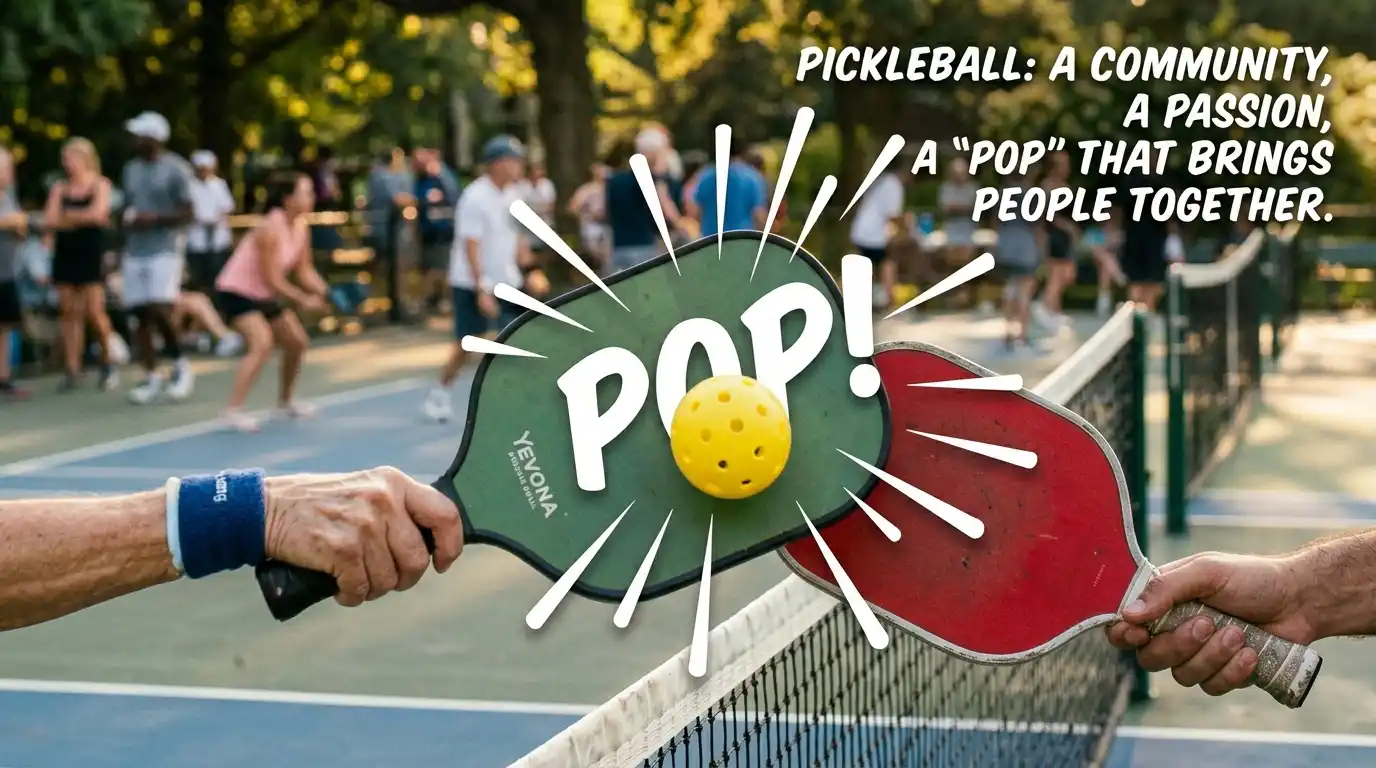
Walk past any community park on a sunny afternoon these days, and you’ll probably hear it that sharp, satisfying pop of a paddle making contact with a plastic ball. Then laughter. Then someone shouting “Kitchen fault!” Maybe you’ve been curious. Maybe a friend keeps bugging you to try it. Either way, you’re here now, and that means you’re ready to find out what all the fuss is about.
Welcome to pickleball. And trust me once you try it, you’ll get it.
Lorem Ipsum has been the industry’s standard dummy text ever since the 1500s.
So, What Exactly Is Pickleball?
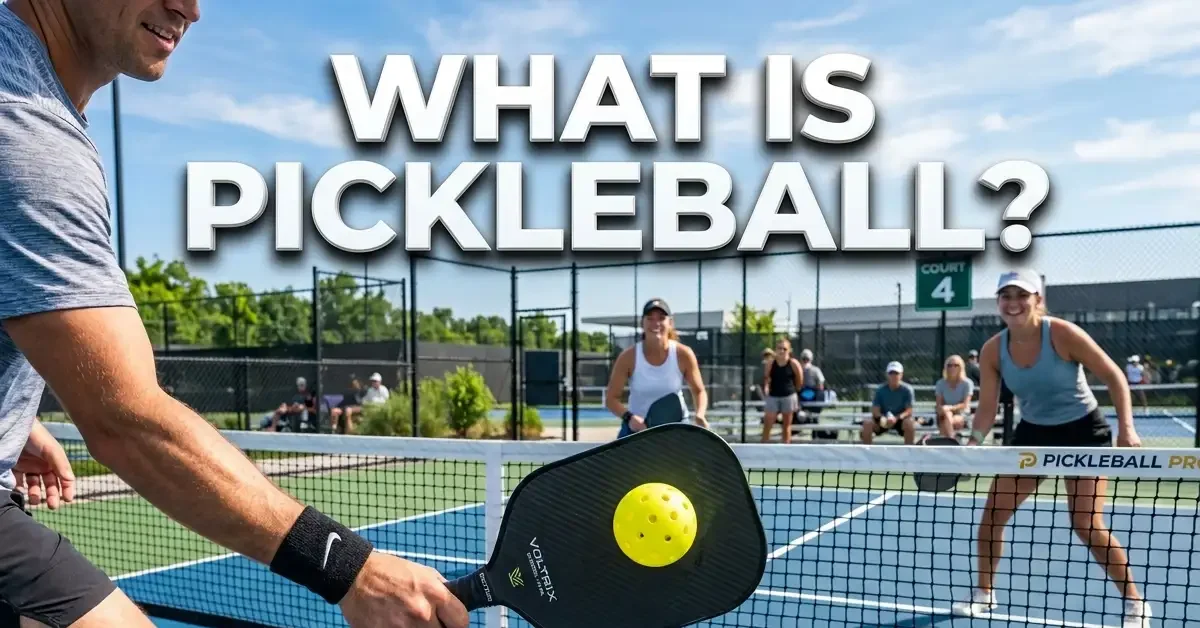
Let’s start from the very beginning. Pickleball is a paddle sport that blends the best parts of tennis, badminton, and table tennis into one surprisingly addictive game. It’s played on a compact court using solid paddles and a lightweight, perforated plastic ball similar to a Wiffle ball, if you’ve ever tossed one around in the backyard.
The sport was invented in 1965 in Bainbridge Island, Washington, by three dads who were trying to keep their bored kids entertained one summer afternoon. What started as a backyard experiment has since grown into one of the fastest-expanding sports on the planet, with millions of players in the US, Canada, and beyond.
The reason for that explosion? It’s genuinely fun, wildly social, and shockingly easy to pick up. You don’t need to be athletic. You don’t need a tennis background. You just need a paddle and a willingness to look a little silly for the first twenty minutes.
How Is Pickleball Different from Tennis?
Lorem Ipsum has been the industry’s standard dummy text ever since the 1500s.
This is usually the first question people ask, especially if they’ve spent any time on a tennis court. The two sports look similar from a distance, but they feel completely different in practice.
The court is smaller. A standard pickleball court measures 20 feet wide by 44 feet long — about the same size as a badminton court. A single tennis court can fit four pickleball courts inside it. This means less running and a lot more action happening in a concentrated space.
The equipment is lighter. Tennis rackets are strung and built for power. Pickleball paddles are solid and flat, made from materials like fiberglass, carbon fiber, or wood. The ball itself is much lighter and slower than a tennis ball, which gives players more reaction time.
The rules are different in key ways. Pickleball has a unique serving style (underhand only), a specific two-bounce rule that shapes every rally, and a fascinating seven-foot zone near the net called “the Kitchen” that changes how you approach the game entirely.
The vibe is different, too. Tennis culture can sometimes feel a bit formal. Pickleball, by contrast, is famously welcoming. Strangers on the court will coach you mid-rally, cheer your good shots, and invite you for coffee after the game. It’s that kind of sport.
The Court Layout: Know Before You Go
Before you step onto the court, it helps to know what you’re looking at. The pickleball court has a few key zones:
The Baselines run along the back of each side. This is where you serve from.
The Sidelines frame the width of the court any ball landing outside these is out of bounds.
The Centerline splits the court down the middle, dividing the serving boxes into left and right sides.
The Non-Volley Zone (NVZ) or as everyone calls it, the Kitchen is a seven-foot area on both sides of the net. You cannot hit the ball out of the air while standing inside this zone. It’s a simple rule on paper, but mastering it takes time and patience.
The net hangs at 36 inches on the sides and dips slightly to 34 inches in the middle just a touch lower than a standard tennis net.
The Rules, Broken Down Simply
You don’t need to memorize a rulebook before your first game. These four fundamentals will get you through just about anything.
1. Serve Underhand, Always
Unlike tennis, where players launch serves from above their heads, pickleball requires an underhand serve. Your paddle must contact the ball below your waist, and the paddle head must be below your wrist at the moment of contact. The serve is hit diagonally across the court, must clear the net, and must land in the opponent’s service box past the Kitchen line.
You get one attempt. If you hit the net but the ball still lands correctly, that’s called a “let” and you get to try again.
Lorem Ipsum has been the industry’s standard dummy text ever since the 1500s.
2. The Two-Bounce Rule
This one trips up nearly every beginner. When the serve lands in the receiver’s court, they must let it bounce once before hitting it back. Then, when that return reaches the serving team’s side, they must also let it bounce once before playing it.
After those two bounces one on each side players can then volley the ball (hit it before it bounces) or let it bounce first. This rule exists to prevent the serving team from rushing the net immediately, which keeps rallies more balanced and interesting.
3. The Kitchen Rule
Standing inside the Kitchen is perfectly fine. You can hang out there whenever you want. But you cannot hit the ball out of the air while you’re in that zone. If you volley the ball while standing in the Kitchen or even on the Kitchen line, it’s a fault.
Here’s where it gets sneaky: if your momentum carries you into the Kitchen after hitting a volley from outside it, that’s also a fault. The Kitchen keeps aggressive net play in check and rewards patience and strategy over brute force.
4. Scoring: Points for Serving Teams Only
Only the team that is serving can score a point. If the receiving team wins the rally, they don’t get a point they just earn the right to serve next.
Games are typically played to 11 points, and you must win by at least 2. In doubles play, scores are called out as three numbers: your score, their score, and which server you are (1 or 2). So “0-0-2” means zero to zero, and you’re the second server. It sounds confusing at first, but after a few games, it becomes second nature.
What Gear Do You Actually Need?
You don’t have to spend a lot to get started. A basic beginner paddle runs between $30 and $80 and will serve you perfectly well while you’re learning. Pickleballs are inexpensive grab both indoor and outdoor versions since they’re designed differently.
The one thing worth investing in properly: court shoes. Running shoes don’t provide the side-to-side support that court sports demand. A decent pair of tennis or court shoes will protect your ankles and make a real difference in how comfortable you feel moving around.
Ready to Play?
Pickleball is one of those rare sports that’s genuinely easy to start but rewarding to keep improving at. Whether you’re looking for a low-impact way to stay active, a fun game to play with family, or just something new to try on a Saturday morning, this sport delivers.
For a deeper dive into the rules, court dimensions, and gear recommendations, check out the full beginner’s guide from the team at Yevona Pickleball Canada right here: What is Pickleball? The Ultimate Beginner’s Guide to Rules, Courts, and How to Play
Now go grab a paddle. The court is waiting.
Yevona Pickleball Canada — Your home for everything pickleball in Canada.
-
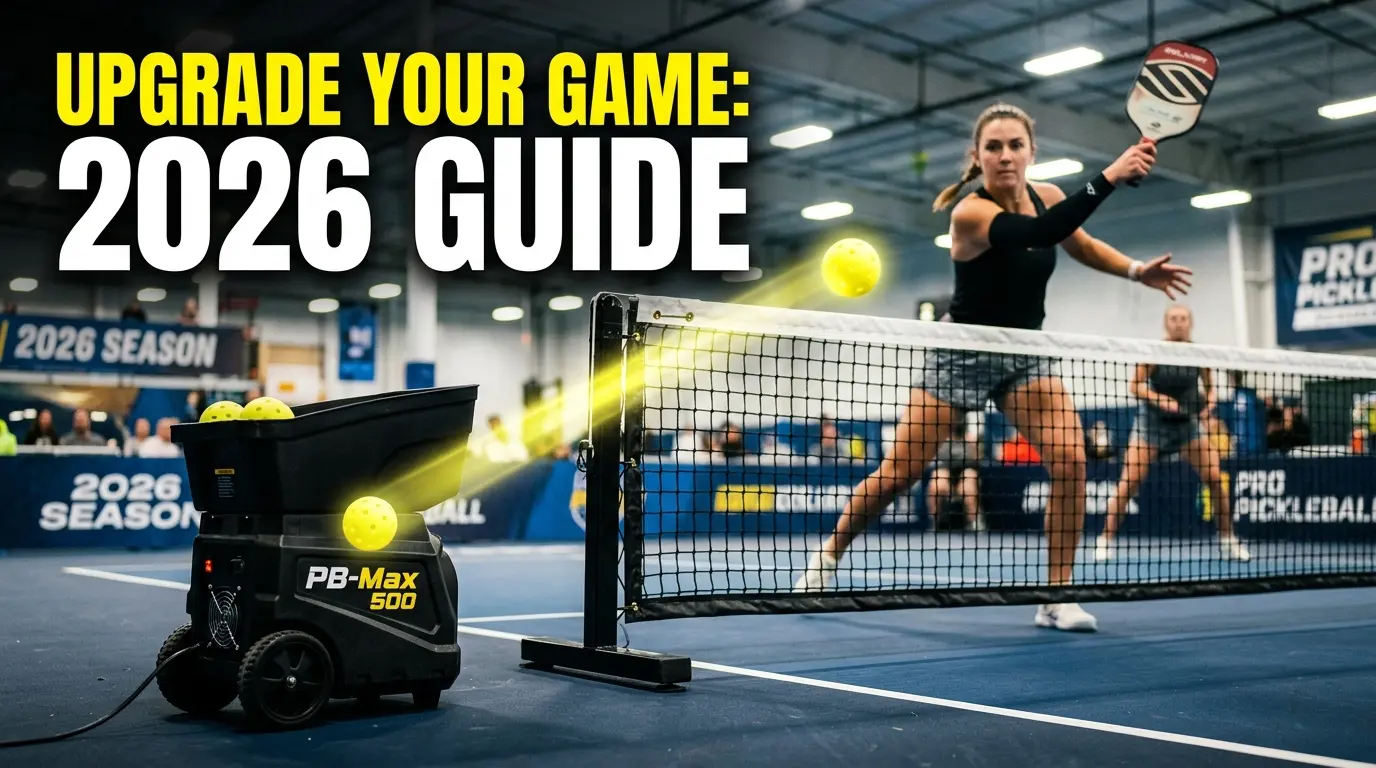
Top 5 Best Pickleball Machines in Canada for 2026: The Ultimate Guide
If you are anything like me, you’ve completely caught the pickleball bug. It’s addictive, it’s…